Adidas Turns a Harajuku Storefront Into a Surreal Hotel — And It Signals a Bigger Shift in Sneaker Launches
The Superstar's 55th anniversary pop-up reveals how brands are moving from drop culture to experiential theater.
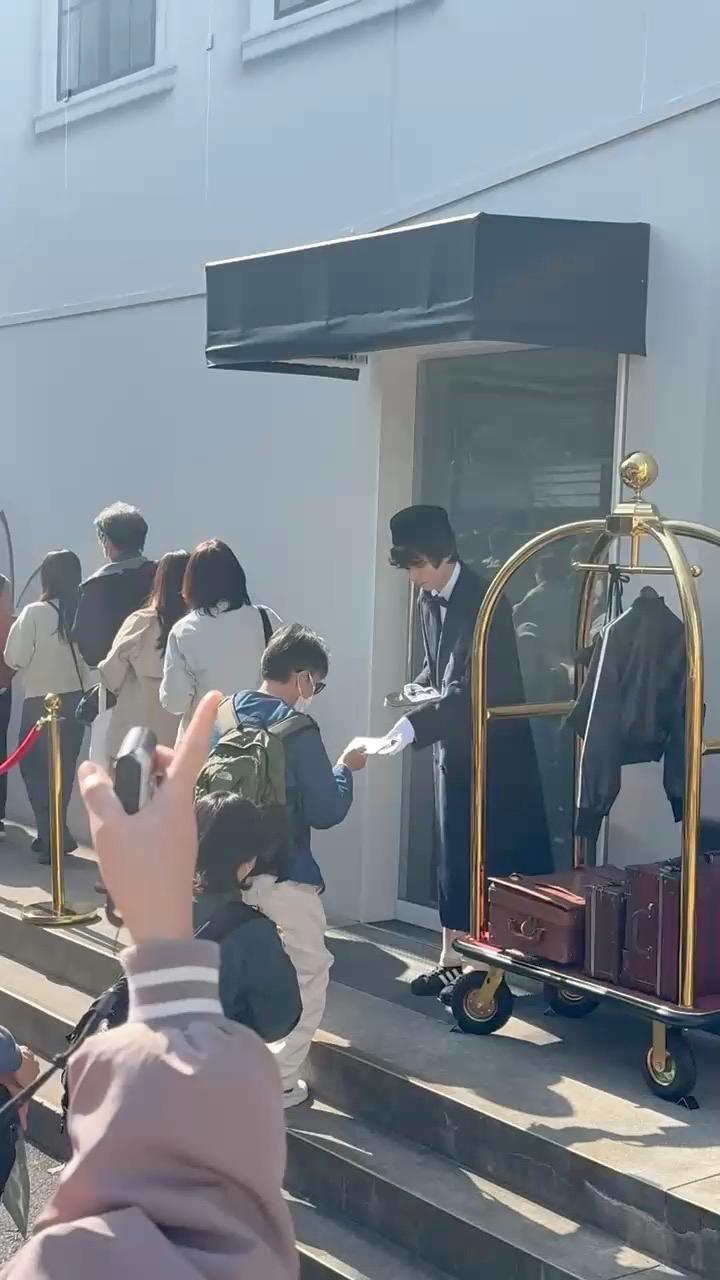
The Superstar’s 55th anniversary pop-up reveals how brands are moving from drop culture to experiential theater.
The Scene in Harajuku
On Sunday, March 1st, 2026, a line of consumers stretched down a Harajuku side street — not for a limited-edition sneaker drop, but for an experience.
Adidas had transformed a nondescript Tokyo storefront into a surreal hotel installation. A bellhop in period costume and white gloves handed out promotional materials beside a brass luggage cart stacked with vintage suitcases. The facade featured massive imagery of the Superstar. Inside, the brand’s Spring 2026 “Original Icon” campaign came to life through theatrical retail design.
Video: The theatrical retail experience in action — bellhop interactions and crowd atmosphere in Harajuku.
The hotel-themed activation features a costumed bellhop and vintage props — a far cry from the traditional sneaker release.
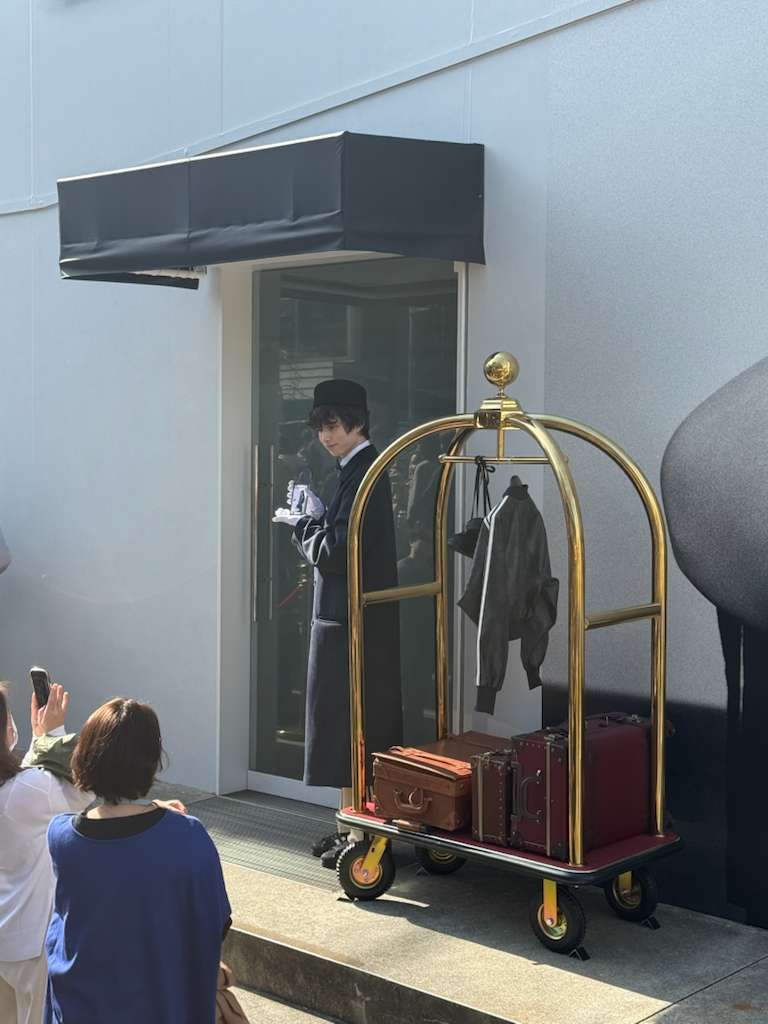 Every detail is designed for photography — the brass cart, leather luggage, and formal attire create an instantly shareable moment.
The activation celebrates the Adidas Superstar’s 55th anniversary and coincides with the upcoming release of the Superstar II Tokyo collection, featuring bold “Tokyo” lettering on the outsoles.
But the real story isn’t the shoe. It’s the strategy.
The Death of the Simple Drop
For a decade, sneaker culture was defined by the “drop” — a limited-quantity release announced days or hours in advance, generating social media frenzy and resale speculation. The model worked when scarcity was novel and hype was cheap to manufacture.
That era is ending.
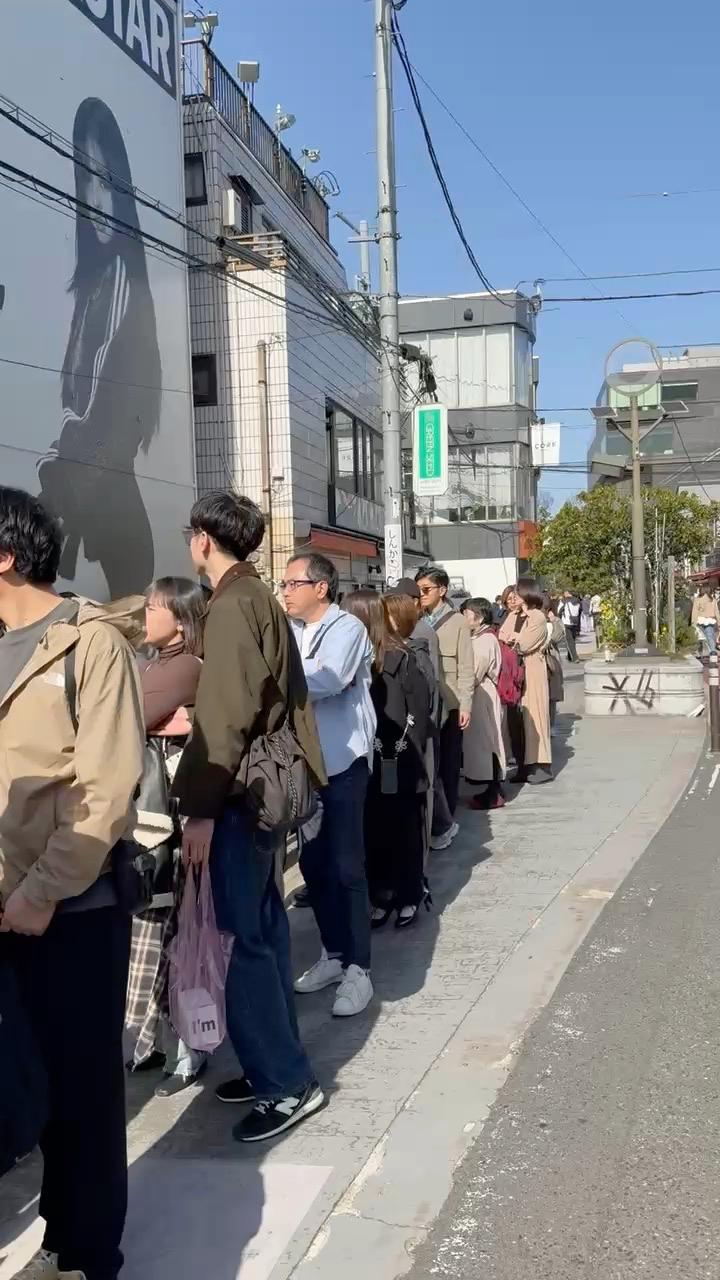 Consumers queue for the experience, not just the product — a fundamental shift in release strategy.
Consumers — especially Gen Z — have grown skeptical of artificial scarcity. They’ve watched too many “limited” releases become instantly available on StockX at 3x retail, then crash to below retail weeks later. The transactional thrill of “copping” has been replaced by fatigue.
Brands are responding by shifting investment from supply-side manipulation to demand-side engagement. The question is no longer “How do we make people want what they can’t have?” but “How do we make people feel something about what we’re selling?”
Why Experiential Retail Works in 2026
The Harajuku activation demonstrates several principles that define effective sneaker marketing today:
1. Memory Over Transaction
A consumer who waits in line, receives a personalized interaction from a costumed bellhop, and walks through an immersive installation will remember the experience for years. That memory becomes associated with the brand. The purchase becomes secondary to the emotional imprint.
This is the opposite of a SNKRS app raffle, which creates frustration for the 99% who lose and mild satisfaction for the 1% who win. The math doesn’t favor brand equity.
2. Shareable Content Creation
Every element of the Harajuku pop-up was designed to be photographed and shared: the luggage cart, the bellhop, the facade, the interior staging. Adidas isn’t paying for media impressions — visitors are creating them voluntarily because the content is genuinely interesting.
User-generated content from experiential activations typically outperforms brand-produced content by 4-6x on engagement metrics. When consumers feel like discoverers rather than targets, they become evangelists.
3. Geographic Specificity
The Superstar II Tokyo collection with “Tokyo” outsole lettering transforms a global product into a local artifact. Consumers in Tokyo aren’t just buying Adidas — they’re buying their Adidas. This localization strategy allows the brand to create city-specific releases without fragmenting global marketing.
Expect to see “Original Icon” activations in London, New York, Paris, and Seoul in coming months — each with location-specific product variants and locally-themed installations.
What This Means for the Industry
The Harajuku pop-up isn’t an isolated marketing experiment. It reflects a broader recalibration happening across footwear:
Investment is shifting from media to physical. Brands are realizing that a $500K experiential activation in a key market generates more lasting value than $5M in programmatic digital ads. The CPM math still favors digital, but the brand-building math favors physical.
Heritage products are the safest canvas for experimentation. Adidas chose the Superstar — a 55-year-old silhouette with established cultural equity — as the vehicle for this activation. Heritage products provide a stable foundation for marketing innovation; new products are too risky for theatrical launches because the product itself is unproven.
Japan remains the testing ground. Tokyo’s density, fashion-forward consumer base, and receptivity to theatrical retail make it the ideal laboratory for experiential concepts. Strategies that work in Harajuku often scale globally 12-18 months later.
The Bottom Line
The Adidas Superstar hotel pop-up in Harajuku isn’t just a clever brand activation — it’s a signal that the sneaker industry is finally moving past drop culture.
The winners in 2026 and beyond won’t be the brands that create the most artificial scarcity. They’ll be the brands that create the most meaningful experiences.
Consumers are no longer asking “Can I get it?” They’re asking “Do I feel something about it?”
Adidas, at least in Tokyo this week, is providing an answer.
The Adidas Superstar II Tokyo collection releases March 15, 2026 at select Tokyo retailers and globally via adidas.com.
Stay ahead of the market
Weekly footwear intelligence in your inbox.