Plastic Price Surge Squeezes Footwear Firms
Footwear retailers face a severe margin crunch due to a dramatic 59% surge in plastic raw material costs. Learn how this seismic shift impacts the industry.
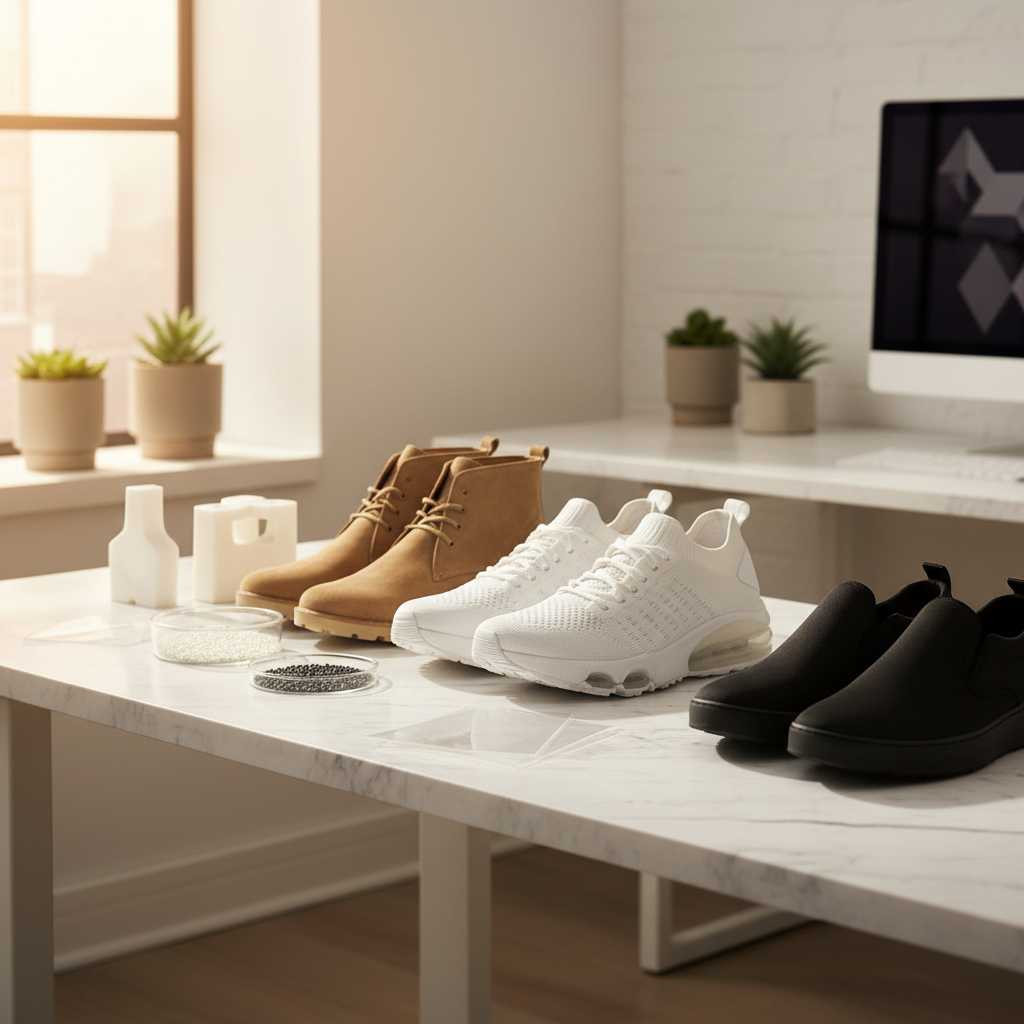
Footwear Retailers Face Margin Crunch as Polymer Costs Skyrocket
The Signal
The footwear industry, a global behemoth built on innovation and accessible pricing, now confronts an acute challenge: a sudden and dramatic surge in plastic raw material costs. Between March 1 and March 11, polymer producers enacted five separate price increases, culminating in a staggering cumulative hike of approximately 59%. This isn’t merely an incremental adjustment; it’s a seismic shift, fundamentally altering the cost structure for manufacturers and threatening to ripple through the entire supply chain, from factory floors to retail shelves. For footwear brand executives, buyers, and product managers at mass and mid-tier retailers, this signal is clear: the era of predictable plastic pricing is over, and proactive strategies are no longer optional but imperative for survival and sustained profitability.
The Data
The recent 59% cumulative price hike in polymers, implemented by producers across both private and public sectors, regardless of feedstock origin, is a direct and immediate hit to the bottom line for any footwear firm reliant on these ubiquitous materials. Plastics are not merely supplementary components in footwear; they are foundational. Ethylene-vinyl acetate (EVA), polyurethane (PU), thermoplastic rubber (TPR), thermoplastic polyurethane (TPU), and polyvinyl chloride (PVC) form the backbone of modern shoe construction, appearing in everything from lightweight athletic midsoles to durable outsoles and synthetic uppers.
Consider the sheer volume: the global PVC footwear market alone was estimated at USD 59.2 billion in 2025 and is projected to reach USD 90.2 billion by 2035, growing at a compound annual growth rate (CAGR) of 4.3%. This segment thrives on PVC’s durability, water resistance, and low production cost, making it a staple for everything from rain boots to casual sandals. Similarly, EVA foam is prized for its lightweight, shock-absorbing, and cost-effective properties, making it the “gold standard” for athletic footwear midsoles and insoles, favored by brands like Nike, Adidas, and Hoka for their performance-oriented designs. Crocs, a brand synonymous with its proprietary Croslite material, relies on an EVA-based polymer for over 80% of its total material usage, underpinning its entire product line. A 59% increase in the cost of these core materials translates directly into significantly higher manufacturing expenses.
This rapid escalation far outpaces typical inflationary pressures. While the footwear industry has contended with rising costs in the past, including tariffs and general inflation that have made consumers price-sensitive, the current polymer surge is particularly sharp. The ripple effect is already palpable, with plastic processing units, especially micro, small, and medium-sized enterprises (MSMEs), facing severe disruption. In some regions, “at least 20-25% of plastic processing units are not operating because of capital shortages” directly linked to these surging raw material costs. This creates a bottleneck, further straining supply chains and potentially leading to production delays and reduced output across the industry.
The table below illustrates the critical reliance of various footwear components on plastic polymers and the direct impact of such a price surge:
| Plastic Polymer Type | Common Footwear Application | Typical Contribution to Material Cost (Pre-Surge, Est.) | Impact of 59% Price Hike | Example Brands/Products |
|---|---|---|---|---|
| EVA (Ethylene-Vinyl Acetate) | Midsoles, Insoles, Outsoles, Crocs’ Croslite | 15-30% of total material cost | Significant increase in cushioning and sole costs | Nike React, Adidas Boost (components), Hoka One One, Crocs Classic Clog |
| PU (Polyurethane) | Midsoles, Uppers (synthetic leather), Coatings | 10-25% of total material cost | Substantial increase for high-end cushioning and durable uppers | Adidas Ultraboost, high-performance athletic shoes, fashion boots |
| PVC (Polyvinyl Chloride) | Outsoles, Uppers (rain boots, sandals), Fashion Footwear | 5-15% of total material cost | Notable increase for cost-effective, durable, and waterproof options | PVC rain boots, fashion sandals, some Dr. Martens soles |
| TPU (Thermoplastic Polyurethane) | Outsoles, Stabilizers, Overlays, Recycled components | 5-15% of total material cost | Moderate to significant increase for structural and durable elements | Adidas Parley shoes (recycled TPU), athletic shoe overlays |
| TPR (Thermoplastic Rubber) | Outsoles (casual, work shoes) | 5-10% of total material cost | Moderate increase for wear-resistant and anti-slip soles | Work boots, casual sneakers |
Note: Material cost contributions are estimates and can vary widely based on shoe type, design, and brand.
What This Means for Retailer/Brand
For footwear brand executives, this plastic price surge demands immediate and decisive action. Your procurement teams are already grappling with significantly higher input costs for essential components. Brands like Skechers, known for their comfortable, foam-heavy designs, or any athletic brand relying on EVA midsoles, will see their manufacturing costs climb sharply. This isn’t a problem that can be absorbed indefinitely. A shoe that previously cost $20 to produce in materials could now cost $32, eroding gross margins designed around much lower material inputs.
The immediate consequence is pressure to raise wholesale prices, which will inevitably translate to higher retail prices for consumers. However, the market isn’t infinitely elastic. Consumers are already feeling the pinch of inflation, with 43% of women and 30% of men deprioritizing shoe purchases due to rising costs. A recent survey highlighted that nearly 80% of consumers have walked away from a shoe purchase because of the price tag, indicating that footwear is shifting from a necessity to a discretionary expense for many families. Brands must navigate this delicate balance: pass on too much cost, and risk losing sales volume; absorb too much, and sacrifice profitability. This necessitates a granular understanding of product elasticity and brand loyalty. For instance, a premium running shoe from Brooks or Hoka, where performance justifies a higher price point, might absorb increases better than a value-segment casual sneaker. Brands must also scrutinize their product portfolios, potentially streamlining offerings that become unprofitable at current material costs.
Retailers like Foot Locker, DSW, Kohl’s, and Nordstrom will feel this squeeze from both ends. Brands will push for higher wholesale prices, compressing retailer margins. Simultaneously, higher consumer prices risk dampening demand and increasing inventory holding costs if products sit longer on shelves. Retailers must engage in proactive negotiations with brand partners, exploring options like delayed price increases, volume discounts, or even co-investment in alternative material research. They also need to re-evaluate their pricing strategies, potentially focusing on value communication for essential footwear or highlighting the longevity and quality of higher-priced items. The ability to forecast demand accurately becomes even more critical to avoid overstocking expensive inventory that then requires aggressive markdowns, further eroding profitability.
What This Means for the Market
This plastic price surge injects significant inflationary pressure into the broader footwear market. Consumers, already navigating a complex economic landscape, will face higher prices across many categories of shoes, from athletic sneakers to casual sandals. This could accelerate a trend towards more considered purchasing, where consumers prioritize durability and versatility over fast fashion, or seek out promotions more aggressively. The market may see a bifurcation: premium segments, where consumers are less price-sensitive, might maintain demand, while mid-tier and value segments could experience significant contraction.
Supply chain resilience, already a key focus post-pandemic, becomes paramount. The disruption to smaller plastic processing units highlights the fragility of a globally interconnected manufacturing ecosystem. Larger brands like Nike and Adidas, with their extensive resources and diversified supply networks, may be better positioned to absorb costs or shift sourcing, but even they are not immune. Smaller, independent brands, often relying on fewer suppliers and tighter margins, face an existential threat. This could lead to market consolidation, where larger players acquire struggling smaller ones, or a reduction in market diversity as niche brands struggle to compete on price.
The crisis also presents an unexpected accelerant for sustainable innovation. With the cost of virgin fossil-based polymers skyrocketing, the economic argument for bio-based and recycled plastics strengthens. Brands like Adidas have already made significant strides in using recycled ocean plastic in products like their Parley line, transforming approximately 11 plastic bottles into each pair of shoes. While recycled plastics currently face their own challenges in terms of quality, consistency, and often higher processing costs compared to virgin plastics, the new pricing dynamics could shift this equation. The push for circular economy models, where footwear is designed for disassembly and material recovery, could gain urgent momentum, driven not just by environmental mandates but by economic necessity.
Our Take
This isn’t a temporary blip; it’s a structural shift demanding a strategic overhaul. The 59% cumulative polymer price hike is a stark reminder that the footwear industry’s reliance on fossil-fuel-derived plastics carries inherent volatility. Brand executives and retail buyers who fail to adapt will find themselves caught between shrinking margins and alienated consumers. Proactive engagement with suppliers, aggressive exploration of alternative and recycled materials, and a candid reassessment of pricing strategies are no longer best practices—they are table stakes.
Winners in this new environment will be those who embrace transparency, invest in supply chain visibility, and accelerate their transition to more sustainable, less volatile material inputs. This means not only exploring bio-based EVA or recycled TPU but also re-evaluating design for longevity and end-of-life solutions. Retailers must work hand-in-hand with their brand partners, sharing the burden and exploring innovative ways to communicate value to a price-sensitive consumer. The market is signaling a forced evolution: adapt or risk becoming a casualty of the plastic price squeeze. The time for incremental change is over; radical re-thinking is the only path forward.
Stay ahead of the market
Weekly footwear intelligence in your inbox.