A Podiatrist's Viral Shoe Rankings for Plantar Fasciitis—And Why They Matter
With 15 million views, one podiatrist's shoe ratings are shaping purchase decisions. We analyze his rankings against market trends.
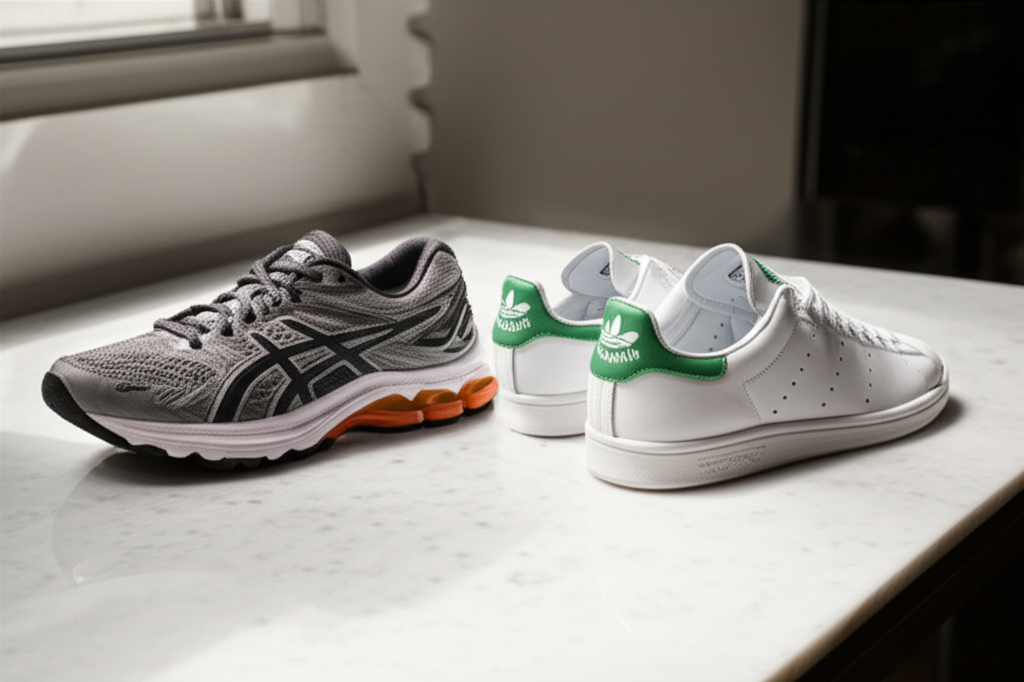
With 15 million views, one podiatrist’s shoe ratings are shaping purchase decisions. We analyze his rankings against market trends and what they reveal about where comfort footwear is heading.
When Singapore-based podiatrist Paul Macaulay (@paulthepodiatrist) posted a 64-second TikTok rating popular sneakers for plantar fasciitis, he probably didn’t expect 15 million views, 346,000 likes, and 18,600 comments.
But he hit a nerve—literally.
Plantar fasciitis affects roughly one in ten adults. Over 80% of Americans reported some form of foot pain in 2024. And most of them are making shoe decisions based on marketing, aesthetics, or price—not clinical evidence.
Paul’s video changed that. In under a minute, he gave viewers what doctors rarely offer: specific shoe names with specific scores, explained in plain language.
Here’s what he said—and what it means for the footwear market.
The Rankings: Best to Worst
Paul rates shoes on a 10-point scale based on their suitability for managing plantar fasciitis. His criteria: arch support, heel counter firmness, midsole stability, and cushioning distribution.
The Winners (9-10/10)
Asics Gel-Kayano 31: 10/10
Paul’s top pick. “Wide base for ground contact and arch support to prevent overstretching the plantar fascia.” The Kayano has been Asics’ flagship stability shoe for over 30 years, and the latest version doubles down on structured support.
Price: $190 | Category: Stability running
New Balance 860: 9/10
“Soft Fresh Foam cushioning with medial post support.” The 860 has long been a podiatrist favorite—it offers motion control without feeling like a medical device.
Price: $150 | Category: Stability running
Brooks Adrenaline GTS: 9/10
Brooks’ GuideRails technology prevents excessive foot movement without restrictive structure. Paul notes it’s “reliable stability for walking and long days on your feet.”
Price: $150 | Category: Stability running
New Balance 990: 9/10
The “clinic favorite.” Paul describes it as having “a really firm midsole, solid heel counter, and stable platform.” This shoe has cult status for a reason—it’s been the go-to recommendation from podiatrists and orthopedists for decades.
Price: $200 | Category: Lifestyle/walking
The Acceptable Options (7-8/10)
Hoka Bondi / Clifton: ~8/10
Paul recommends Hoka’s maximal cushioning models for those who need plush comfort, though he notes they’re better for shock absorption than structural support. “Good structure for reducing heel pain.”
Price: $165-180 | Category: Cushioned running
Asics Gel-Nimbus: ~8/10 Mentioned in follow-up videos as excellent for those needing cushioning with moderate stability. “Perfect if you need support and have plantar fasciitis issues.”
Price: $170 | Category: Neutral cushioned running
The Failures (1-3/10)
On Cloudsurfer 2: 2/10
Despite On Running’s meteoric rise, Paul gives their popular model a failing grade. The CloudTec pods, while innovative-looking, offer insufficient arch support and inconsistent heel stability for those with plantar fasciitis.
Price: $150 | Category: Neutral running
Adidas Stan Smith: 2/10
A fashion icon that fails as functional footwear. “No arch support, no cushioning, no heel counter structure.” Paul notes these will “make symptoms harder to settle.”
Price: $100 | Category: Lifestyle/fashion
Why These Rankings Matter: The $2.5 Billion Context
The plantar fasciitis shoe market was valued at $1.2 billion in 2024 and is projected to reach $2.5 billion by 2033—a 9.2% compound annual growth rate.
The broader orthopedic footwear market tells an even bigger story: $10.67 billion in 2024, expanding to $30.96 billion by 2034.
What’s driving this growth?
An aging population: Baby boomers aren’t giving up on walking, running, or standing—they’re demanding shoes that let them do it without pain.
Rising obesity rates: Excess body weight significantly increases plantar fascia strain.
Active lifestyle expansion: More people are walking for exercise, and they’re discovering that fashion sneakers don’t cut it.
Healthcare cost avoidance: A pair of proper shoes costs less than a single podiatrist visit.
Where Paul’s Rankings Align with Market Momentum
The Asics Resurgence
Asics has been quietly dominating the “recommended by professionals” space while Nike and Adidas chase hype. The Kayano’s 10/10 rating reflects a broader trend: serious runners and people with foot issues are returning to stability-focused brands.
Asics’ 2025 earnings reflected this, with running shoe revenue growing while lifestyle segments remained flat.
New Balance’s Medical Credibility
New Balance has leaned into podiatrist endorsements for years. The 990 is essentially footwear’s equivalent of a prescription—unsexy, expensive, and reliably effective.
The brand’s “Dad shoe” aesthetic, once a liability, now signals function over fashion. When a podiatrist calls something a “clinic favorite,” consumers trust it.
Brooks’ Quiet Dominance
Brooks holds the #1 position in run specialty retail, and Paul’s endorsement of the Adrenaline GTS confirms why: the shoe does exactly what it promises without pretense.
Unlike lifestyle-adjacent brands trying to straddle fashion and function, Brooks commits fully to performance. Their GTS (Go-To-Shoe) branding explicitly targets the plantar fasciitis demographic.
Where Paul’s Rankings Challenge Market Hype
On Running’s Problem
On Running has been the darling of footwear investors, with market cap growth that outpaced Nike in percentage terms. Their distinctive CloudTec pods photograph beautifully and feel novel underfoot.
But Paul’s 2/10 rating exposes a vulnerability: On optimizes for aesthetics and “sensation” rather than clinical outcomes. For the growing population of consumers choosing shoes based on medical need, that’s a problem.
On’s marketing emphasizes how the shoe feels. Podiatrists emphasize what the shoe does. These aren’t the same thing.
Fashion Flats’ Health Liability
The Stan Smith’s 2/10 reflects a broader truth: most fashion sneakers are functionally terrible. The minimal construction that makes them affordable and stylish also makes them damaging for people with foot issues.
As health-conscious consumption grows, lifestyle brands face a choice: add actual support (and cost), or cede the market to performance-focused competitors.
What This Means for Footwear Brands
Winners
Stability-focused running brands (Asics, Brooks, New Balance) have an authenticity advantage that marketing can’t replicate. When a medical professional gives you a 10/10, that’s earned credibility.
Motion control and orthotic-friendly designs will continue gaining share as the population ages and foot health awareness grows.
Direct medical partnerships—brands sponsoring podiatry conferences, funding foot health research, or creating certified “podiatrist-approved” product lines—represent an underexploited opportunity.
Losers
Style-first sneaker brands without functional credibility face growing pressure. When TikTok videos with 15 million views tell consumers your shoes score 2/10, that’s a brand problem.
“Innovation theater” products—shoes with novel-looking features that don’t deliver clinical benefits—will increasingly face skepticism from educated consumers.
The Consumer Takeaway
If you have plantar fasciitis or regular foot pain, Paul’s recommendations align with what most podiatrists advise:
- Prioritize stability over cushioning (though both matter)
- Look for firm heel counters (squeeze the back of the shoe—it shouldn’t collapse)
- Ensure adequate arch support (your shoe should have a noticeable arch, not a flat insole)
- Avoid fashion sneakers for daily wear if you’re experiencing symptoms
The shoes that score highest aren’t the most exciting, the most fashionable, or even the most innovative. They’re the ones built around how feet actually work.
In a $2.5 billion market shaped by pain, that simplicity wins.
Paul Macaulay is a practicing podiatrist based in Singapore. His TikTok and Instagram accounts focus on evidence-based foot health education.
This article analyzes publicly available content and market data. Individual foot conditions vary; consult a podiatrist for personalized recommendations.
Stay ahead of the market
Weekly footwear intelligence in your inbox.