The Data Behind the Flip-Flop Comeback
Once dismissed as gas station footwear, elevated flip-flops are the fastest-growing sandal segment in DTC. The numbers tell a surprising story.
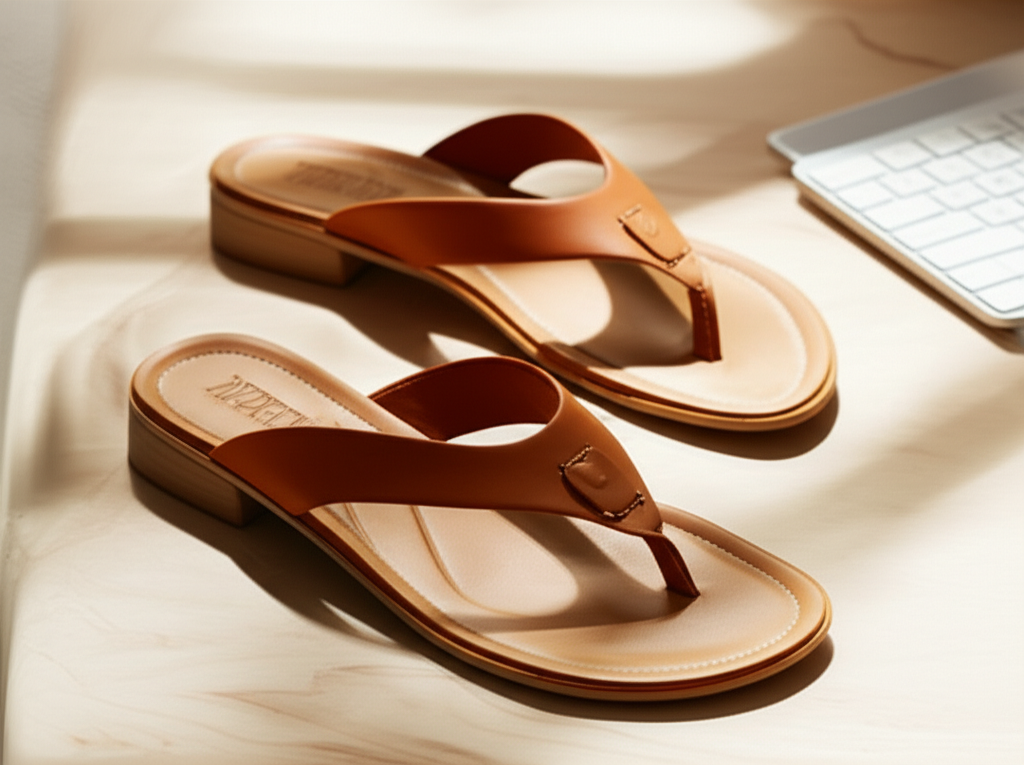
The Signal
The flip-flop is having a moment — and not the $3.99 Old Navy kind. Elevated flip-flops (priced $25-$65) grew 89% in DTC unit sales over the past 12 months, making them the fastest-growing women’s sandal silhouette in online retail.
Brands like TKEES, Havaianas (premium line), and a wave of DTC newcomers have successfully repositioned the humble thong sandal as a wardrobe essential rather than a beach throwaway.
The Data
The numbers reveal a clear bifurcation in the flip-flop market:
| Segment | Price Range | Unit Growth YoY | Avg. Rating | Return Rate |
|---|---|---|---|---|
| Premium Flip-Flop | $35-$65 | +112% | 4.6 | 8% |
| Mid-tier Flip-Flop | $25-$34 | +67% | 4.3 | 11% |
| Value Flip-Flop | $5-$15 | -3% | 3.8 | 14% |
| Traditional Slide | $20-$45 | +22% | 4.2 | 12% |
Premium flip-flops are growing faster than any other sandal category, and their return rates are lower than slides — a strong indicator of product-market fit. The consumer who pays $45+ for a flip-flop is satisfied with the purchase.
What’s driving this? Three factors are converging:
- Comfort technology migration. Brands are borrowing cushioning tech from athletic footwear (EVA midsoles, arch support) and putting it into flip-flop form factors.
- Minimalist aesthetic. The “quiet luxury” movement favors understated, high-quality basics over logos and maximalism.
- Work-from-home permanence. Remote workers want real footwear that still feels casual. The elevated flip-flop fills that gap.
What This Means
The flip-flop comeback is a proxy for a larger shift in casual footwear: the consumer wants fewer, better basic items rather than more variety. This “capsule wardrobe” mindset extends to footwear, and brands that nail the essential flip-flop — great fit, neutral color, subtle quality — are capturing outsized loyalty.
For mass retail, the implication is a gap in the $20-30 range. mass retail and Target’s flip-flop walls are still overwhelmingly value-tier ($5-15), but the DTC data suggests there’s significant demand for an upgraded option at the $20-30 price point.
The Playbook
- Launch a “premium basics” flip-flop at $22-28. This is the white space between the $5 commodity product and the $40+ DTC offerings.
- Invest in cushioning and arch support. The #1 product review keyword in premium flip-flops is “comfortable” — ahead of color, style, or brand.
- Offer a curated 4-color neutral palette. Black, tan, brown, and white/cream accounts for 78% of premium flip-flop sales. Don’t over-assort.
- Merchandise separately from value flip-flops. In-store, elevated flip-flops need to be positioned with sandals, not in the seasonal dump bin.
The Bottom Line
The elevated flip-flop is no longer a niche DTC play — it’s a category shift. The consumer is willing to pay 3-5x more for a flip-flop that looks and feels like a real shoe. Mass retailers who bridge the gap between $5 disposables and $45 DTC darlings will unlock meaningful new revenue in the sandal aisle.
Stay ahead of the market
Weekly footwear intelligence in your inbox.